
Canada Critical illness insurance is a financial safety net that pays you a lump sum if you’re diagnosed with a life-altering illness like cancer, heart attack, or stroke. Unlike traditional health insurance that reimburses hospital bills or treatment costs, this plan gives you a tax-free payout directly—no questions asked about how you spend it.
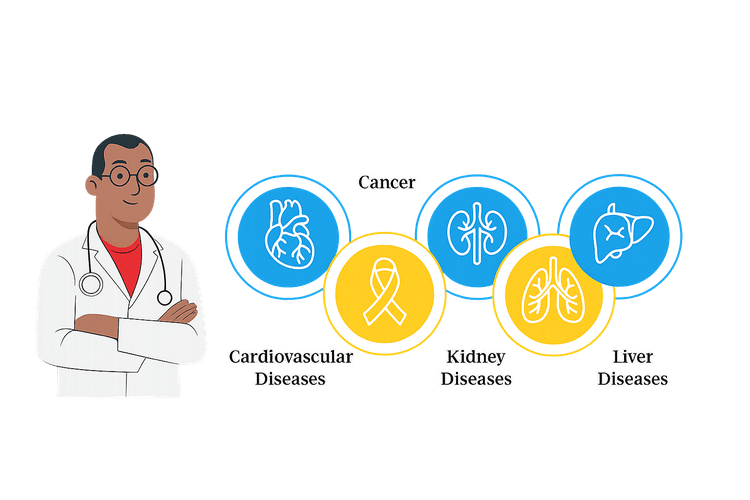
Critical illness insurance in Canada is designed to offer immediate financial relief when life takes an unexpected turn. If you’re diagnosed with a serious condition like cancer, heart attack, or stroke—and it’s listed in your policy—you’ll receive a tax-free lump sum payout. This isn’t reimbursement. It’s cash in your hand, no strings attached.

Eligibility for critical illness insurance depends on several factors:
Most providers require you to be between 18 and 65 years old at the time of application. Younger applicants often get better premium rates, while those closer to retirement may face limited options or higher costs.
Your health status matters. You’ll usually fill out a health questionnaire—and in some cases, undergo a medical exam. If you have pre-existing conditions or a history of chronic illness, it could lead to higher premiums or policy exclusions.
To qualify, you typically need to be between 18 and 65 years old. Why? Because this age range allows us to offer the right level of protection at the right price. The earlier you apply, the more options and benefits you usually have.
Whether you’re a non-smoker or a weekend adventurer, your lifestyle helps shape your coverage. If you smoke or engage in high-risk hobbies (think skydiving or motor racing), we may adjust your premium. But we’re upfront about it—and always fair.
Some jobs come with more risk than others, and your occupation can affect your eligibility. We also consider your financial situation—not to exclude you, but to recommend coverage that makes sense for your income, commitments, and family needs.
Meeting these eligibility criteria helps individuals qualify for critical illness insurance coverage. Applicants should disclose accurate information during the application process to ensure that the policy meets their financial protection needs and provides coverage for specified critical illnesses. Consulting with an insurance agent or advisor can help determine the best critical illness insurance options based on individual circumstances and preferences.
Critical illness insurance typically covers a range of serious illnesses and medical conditions. Some of the common critical illnesses covered by these policies include:
Coverage includes major types of cancer, such as breast cancer, lung cancer, prostate cancer, and others.
Payment is provided upon diagnosis of a heart attack, which occurs when blood flow to the heart is blocked, leading to damage to heart muscle.
Coverage for stroke, caused by either a blockage or rupture of blood vessels in the brain, resulting in reduced blood flow and potential brain damage.
Payment is made for undergoing coronary artery bypass surgery, a procedure to improve blood flow to the heart by bypassing blocked arteries.
Coverage for major organ transplants, such as heart, lung, liver, kidney, or bone marrow transplants, which can be costly procedures.
Payment is provided upon diagnosis of kidney failure, requiring dialysis or kidney transplantation.
Coverage for failure of vital organs like heart, lungs, liver, or pancreas, which may necessitate life-saving treatments or organ replacements.
Benefits are paid for paralysis resulting from spinal cord injuries, neurological disorders, or other causes, including quadriplegia and paraplegia.
Severe Burns: Payment for extensive burns requiring specialized medical treatment and rehabilitation.
Coverage for prolonged unconsciousness due to severe brain injury, stroke, or other critical medical conditions.

Critical illness insurance is a type of insurance policy that provides a lump sum payment upon diagnosis of a covered critical illness or medical condition. This payment is made regardless of whether the insured person incurs medical expenses.
Common illnesses covered by critical illness insurance include cancer, heart attack, stroke, organ failure, coronary artery bypass surgery, kidney failure, paralysis, severe burns, and others specified in the policy.
The purpose of critical illness insurance is to provide financial support to policyholders upon diagnosis of a serious illness. The lump sum payment can be used to cover medical expenses, replace lost income during treatment or recovery, pay off debts, or make necessary lifestyle adjustments.
Critical illness insurance pays out a lump sum benefit upon diagnosis of a covered illness, whereas health insurance typically covers medical expenses related to treatment and hospitalization. Critical illness insurance complements health insurance by providing additional financial protection.
Eligibility for critical illness insurance depends on factors such as age, health status, lifestyle habits, and insurability risk. Applicants typically undergo a medical evaluation or questionnaire to determine eligibility and premium rates.
Some insurers offer critical illness insurance specifically designed for individuals with pre-existing health conditions. However, coverage and premium rates may vary based on the severity and type of condition.
The amount of critical illness coverage depends on factors such as income replacement needs, existing financial obligations, and potential medical expenses. It’s important to assess individual needs and consult with an insurance advisor to determine appropriate coverage levels.
In most cases, critical illness insurance benefits are not taxable, as they are typically paid as a lump sum and are not considered income. However, specific tax implications may vary based on individual circumstances and local tax laws.
