Rest Easy with Disability Insurance Coverage


    Date of Birth


    Disability insurance isn’t just another policy—it’s your backup plan for life’s curveballs. If illness or injury stops you from working, this coverage helps replace part of your income. It covers essentials like rent, groceries, and medical expenses while you recover. Plans vary, but most offer a percentage of your income for short-term or long-term needs. Policy Place provides one of the best Disability Insurance in Canada. 

    Disability Image

    How Does Disability Insurance Work in Canada?

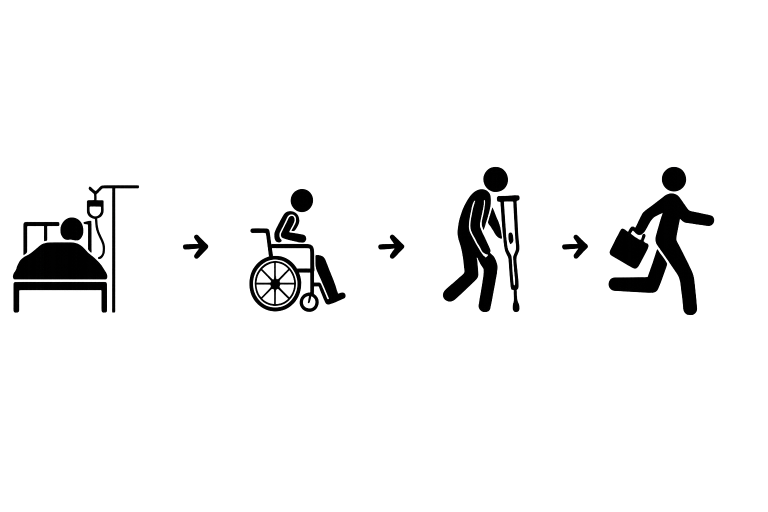
    When life throws a curveball, disability insurance steps in. If you’re seriously sick or injured and can’t work, this coverage keeps you afloat. Once your claim is approved, you’ll start getting part of your regular income. This helps you pay for rent, groceries, EMIs, and other essentials—without burning savings.

    Policies can pay out for a few months or several years, depending on the plan. As long as you keep up with your premiums, your support stays active.
    Eligibility For Disability Insurance

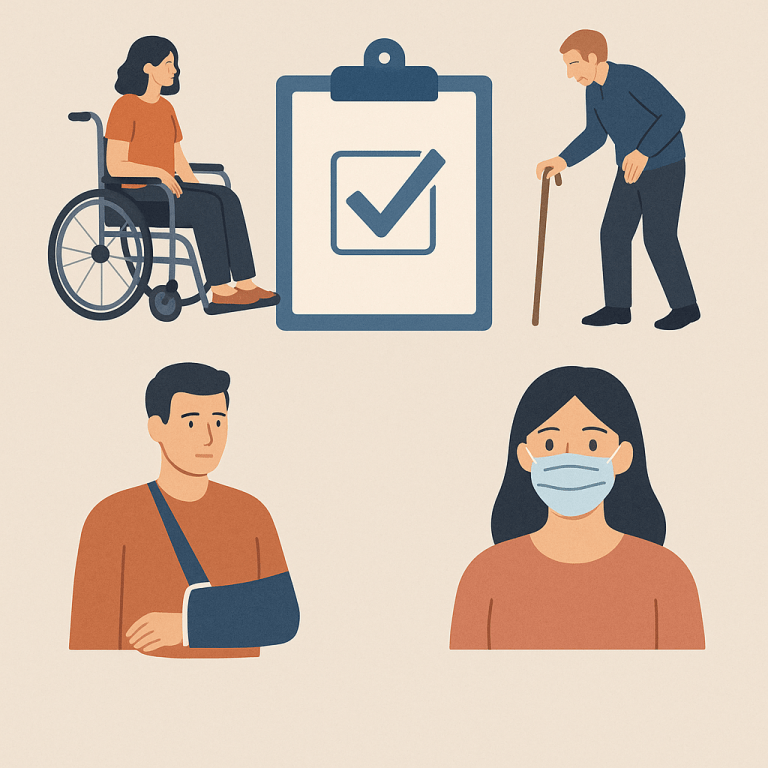
    You must be working and earning income, whether as an employee, freelancer, or self-employed.

    Insurers may check your medical history. Some pre-existing conditions might affect your premium or eligibility

    You’ll need to show how much you earn. Coverage is based on a percentage of this income.

    Typically, eligibility is between 18 and 65 years.

    Jobs with physical or hazardous tasks may lead to higher premiums.

    Your health, lifestyle, and medical history are reviewed to assess risk.

    Some Of Disability Insurance

    Life can be unpredictable. If your health impacts your income, disability insurance helps cover the gap. Here are examples:

    • Accidental Injuries – Like slips, falls, fractures, or surgeries.

    • Chronic Illnesses – Such as cancer, heart disease, arthritis, or diabetes.

    • Mental Health – Depression, anxiety, and PTSD are often covered.

    • Neurological Issues – Parkinson’s, epilepsy, and traumatic brain injuries.

    • Musculoskeletal Disorders – Back pain, slipped discs, repetitive strain injuries.

    • Vision & Hearing Loss – Conditions that affect your ability to work.

    • Digestive Conditions – Crohn’s or IBS that disrupt work life.

    • Respiratory Conditions – Asthma or COPD affecting stamina.

    • Infectious Diseases – That impact your ability to work.

    • Repetitive Motion Injuries – From constant typing, lifting, or tool use.

    FAQs Related To Disability Insurance

    Disability insurance is a type of insurance coverage that provides income replacement if you become unable to work due to a disabling illness or injury. It offers financial protection by replacing a portion of your lost income during periods of disability.

    Disability insurance works by paying out a percentage of your pre-disability income as a benefit if you become disabled and meet the policy’s definition of disability. The benefit helps cover living expenses, medical costs, and other financial obligations during the period of disability.

    There are two main types of disability insurance:
    Short-Term Disability (STD) Insurance: Provides benefits for a short duration (e.g., 3-6 months) following a disability.
    Long-Term Disability (LTD) Insurance: Provides benefits for an extended period (e.g., years or until retirement age) if the disability is long-lasting or permanent.

    Anyone who relies on their income to cover living expenses, support their family, or maintain their lifestyle should consider disability insurance. It’s especially important for self-employed individuals who may not have access to employer-provided disability benefits.

    Disability insurance typically covers a range of disabling conditions, including injuries, illnesses, chronic diseases, mental health disorders, and musculoskeletal disorders. The specific covered disabilities vary by policy.

    To qualify for disability insurance benefits, you must meet the policy’s definition of disability, which typically requires that you are unable to perform the duties of your occupation due to a covered disability. You may also need to satisfy waiting periods and medical requirements.

    Some disability insurance policies may exclude coverage for pre-existing conditions or impose limitations. It’s important to disclose any pre-existing health conditions during the application process and review policy terms carefully.

    The amount of disability insurance coverage needed depends on factors such as your income, living expenses, financial obligations, and lifestyle. A general guideline is to have coverage that replaces at least 60-70% of your pre-disability income.